Nile River Cruises Guide
A Nile cruise offers one of the easiest ways to explore Upper Egypt without changing hotels every day. Most classic itineraries sail between Luxor and Aswan, combining time on the river with guided visits to temples, tombs and archaeological sites. This Nile River Cruises Guide explains the main routes, cruise styles, seasonal differences, typical inclusions and practical details you should compare before booking.
If you are ready to compare available ships and departure directions, browse the current Nile cruises in Egypt. If you are still deciding what suits you, start with the planning information below.
1. Why Take a Nile River Cruise?
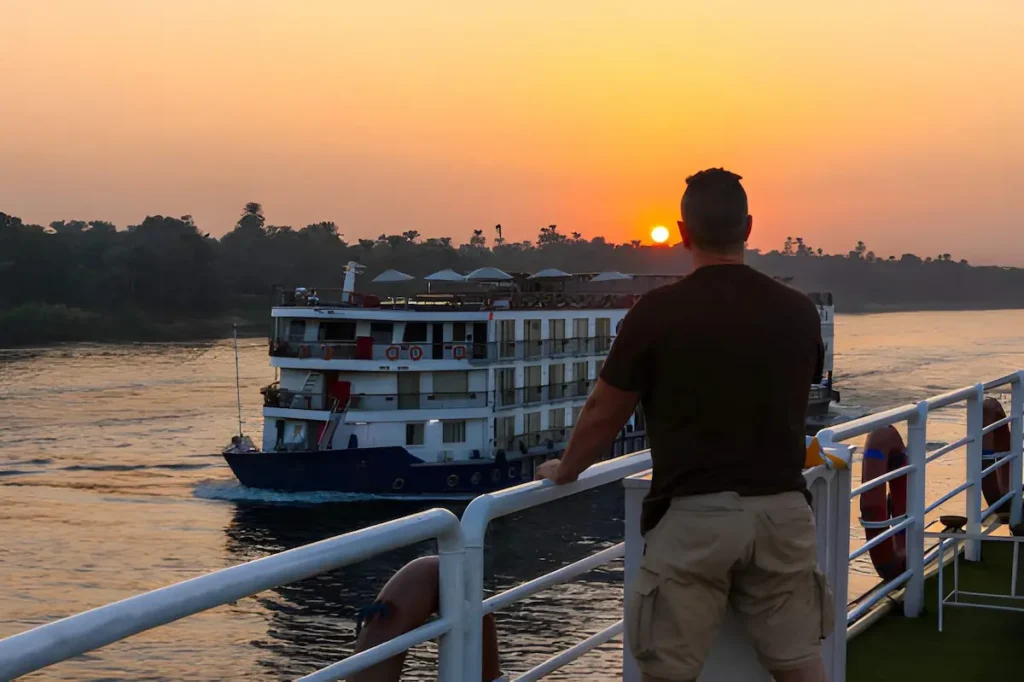
The classic Luxor–Aswan route brings several of Upper Egypt’s most important sites into one organised journey. Instead of packing, checking out and travelling by road each day, passengers return to the same cabin after scheduled sightseeing. Time between stops can be spent relaxing on deck and watching farmland, villages and desert landscapes along the riverbanks.
A cruise is particularly convenient for first-time visitors who want to combine history with a slower style of travel. Typical itineraries include guided visits in Luxor and Aswan as well as stops near Edfu and Kom Ombo. The exact program, entrance fees and guiding arrangements depend on the package, so these details should always be confirmed before booking.
A Nile cruise may be a good choice if you want:
- One base for several days of sightseeing
- An organised route between Luxor and Aswan
- Guided visits to major ancient sites
- Full-board accommodation on many itineraries
- A balance of shore excursions and time on the river
2. Types of Nile Cruises
“Nile cruise” can describe several different travel experiences. The right choice depends on your preferred atmosphere, group size, comfort level, budget and sightseeing priorities.
Classic Nile Cruise Ships
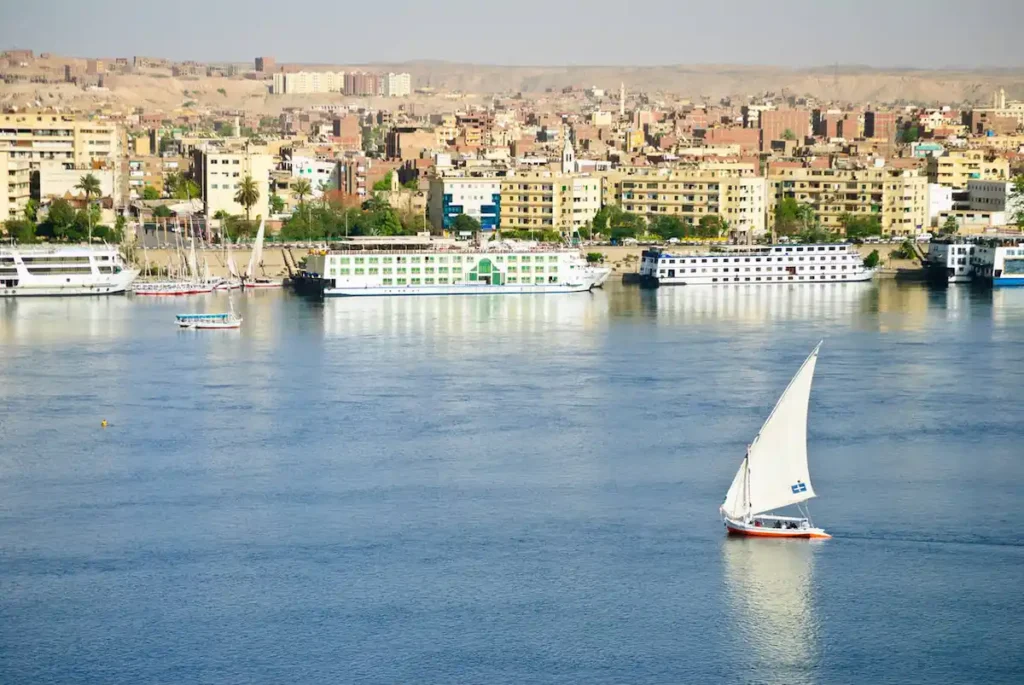
Classic cruise ships are the most widely available option on the Luxor–Aswan route. They usually have multiple cabin decks, a restaurant, lounge and sun deck; many also have a small swimming pool. Cabins, dining standards and maintenance can differ considerably between ships, even when they are described using the same star category.
Luxury and Boutique Nile Cruises
Luxury and boutique vessels generally focus on upgraded cabins, more personalised service, refined dining and a quieter onboard atmosphere. Some offer suites or private balconies, but these features are not standard on every ship. Compare the actual cabin photographs, deck plan, recent traveller reviews and confirmed facilities rather than relying only on the category name.
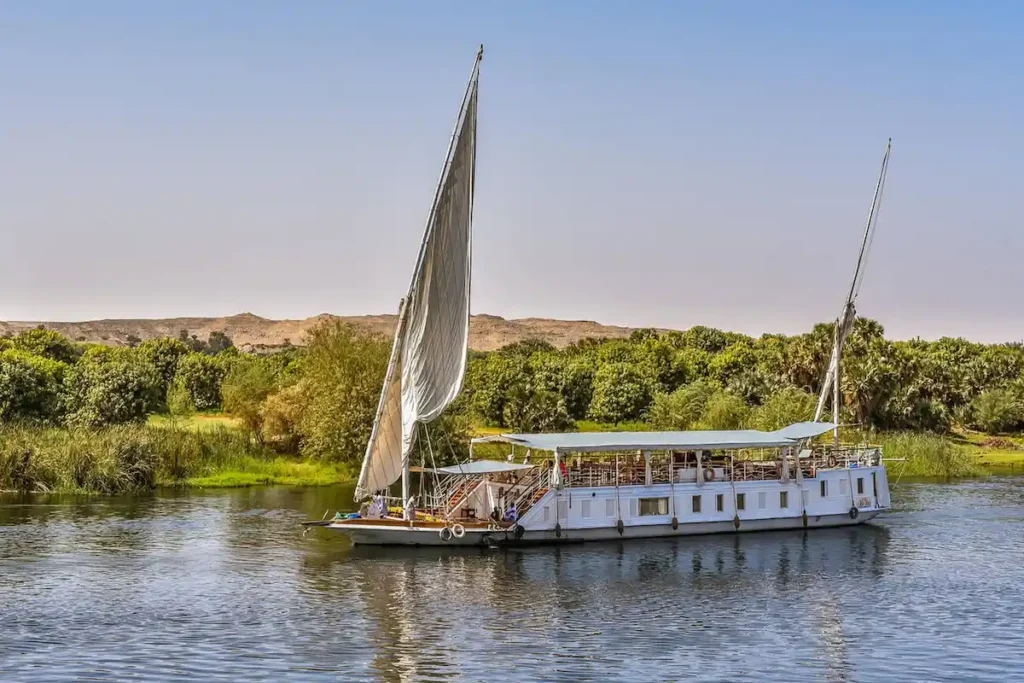
Dahabiya Nile Cruises
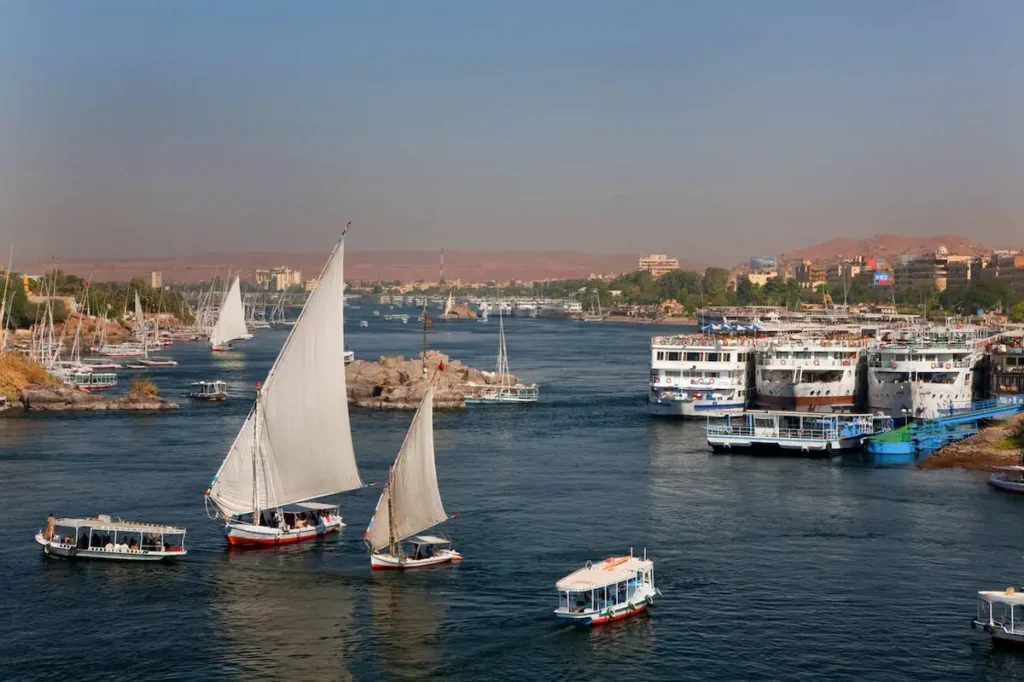
A dahabiya is a smaller sailing vessel with fewer cabins than a conventional cruise ship. It usually provides a more intimate atmosphere and a slower journey. Routes and stops can differ from those of larger vessels, so check the complete itinerary carefully. Dahabiyas are often chosen by couples and travellers who prefer fewer passengers and more time on the river.
Lake Nasser Cruises
A Lake Nasser cruise is not the same journey as a classic Nile cruise between Luxor and Aswan. It operates south of Aswan and focuses on Nubian landscapes and monuments such as Abu Simbel, Amada, Wadi El Seboua and Kalabsha. Choose it as a separate experience or as an extension if these sites are central to your plans.
3. Nile Cruise Routes and Durations
Most classic cruises operate between Luxor and Aswan, but duration often depends on the direction of travel and the ship’s sailing schedule. A common pattern is five days and four nights from Luxor to Aswan, or four days and three nights from Aswan to Luxor. Operators may use different schedules, so confirm the embarkation city, disembarkation city and exact number of nights before arranging flights or trains.
5-Day Nile Cruise from Luxor to Aswan
The longer southbound itinerary is well suited to travellers who want more time in Luxor and a slightly more relaxed pace. A typical journey includes sightseeing on Luxor’s East and West Banks before sailing towards Edfu, Kom Ombo and Aswan. Review the current Solaris 5-Day Nile Cruise from Luxor for an example of how this route can be organised.
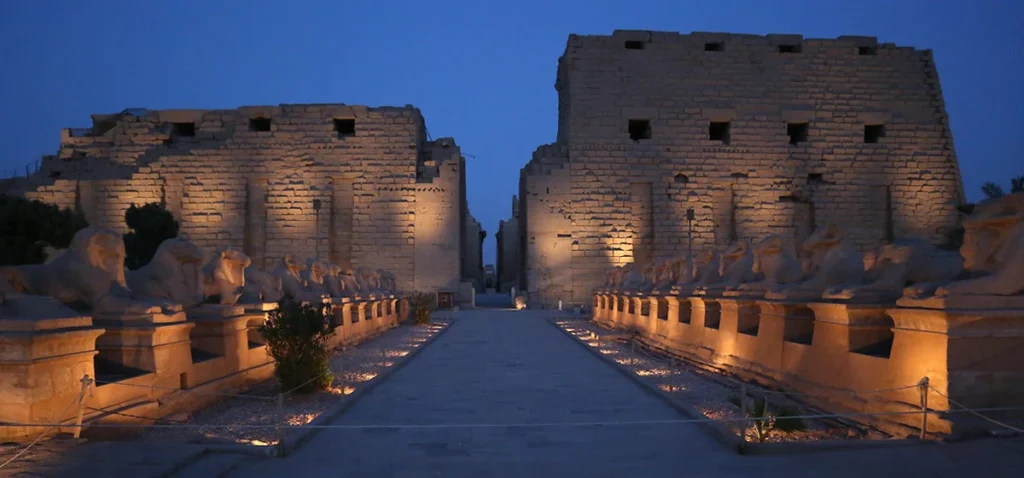
Karnak Temple
4-Day Nile Cruise from Aswan to Luxor
The northbound route is usually shorter and works well for travellers with limited time. Sightseeing generally begins in Aswan before the ship sails towards Kom Ombo and Edfu, ending with visits in Luxor. The Solaris 4-Day Nile Cruise from Aswan shows one example of this itinerary.
Longer Nile Cruise Itineraries
Longer voyages may operate as round trips, combine more time in Luxor and Aswan, or include additional experiences before or after the cruise. Do not assume that a seven-night program automatically includes more archaeological sites; sometimes the extra time is used for slower sailing or repeated sections of the route. Compare the day-by-day itinerary rather than duration alone.
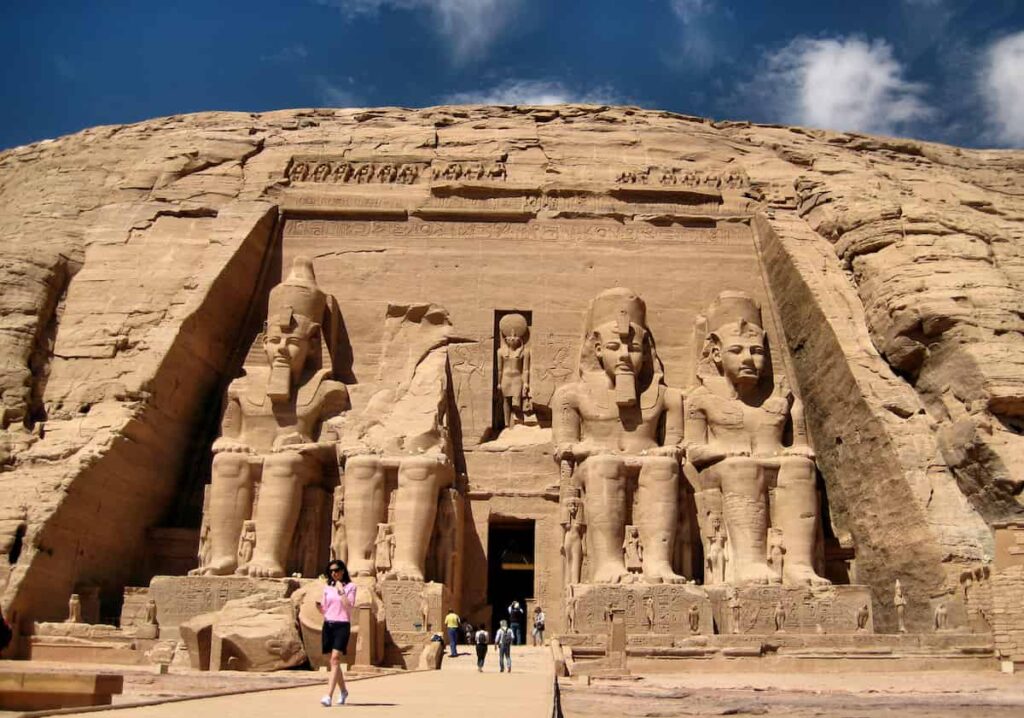
Adding Abu Simbel
Abu Simbel is not on the standard Luxor–Aswan sailing route. It is commonly added as a separate excursion from Aswan by road or air, or visited during a Lake Nasser cruise. Check whether the excursion, transport and entrance tickets are included or priced separately.
4. Main Attractions Along the Luxor–Aswan Route
The sites included vary by package, operating schedule and ticket arrangements. However, many classic itineraries feature the following highlights:
- Karnak Temple Complex: a vast religious complex on Luxor’s East Bank.
- Luxor Temple: an ancient temple complex in the centre of modern Luxor.
- Valley of the Kings: the royal necropolis containing decorated tombs of New Kingdom rulers.
- Edfu Temple: a remarkably well-preserved temple dedicated to Horus.
- Kom Ombo Temple: an unusual double temple associated with Sobek and Harwer, or Horus the Elder.
- Philae Temple: an island temple complex reached by a short motorboat ride from Aswan.
- Aswan: itineraries may also include the Unfinished Obelisk and the High Dam.
Some entrance tickets and special tombs may cost extra. Ask for a written list of included sites and tickets so you can compare packages accurately.
5. Best Time for a Nile Cruise
According to Egypt’s official tourism website, the most comfortable period for a Nile cruise is generally from October to May. Days are usually more suitable for outdoor sightseeing, while evenings on the river can feel cooler.
- October to April: the most popular period because temperatures are generally more comfortable for temple visits. Demand and prices can be higher.
- May and September: warmer shoulder-season conditions with the possibility of fewer visitors or lower rates.
- June to August: very hot conditions in Upper Egypt. Early sightseeing can help, but midday outdoor visits may be demanding.
- December and January: busy months when preferred ships and cabin categories can sell out earlier.
Weather is only one factor. Sailing schedules, water conditions, public holidays and maintenance periods can affect availability, so confirm the operating dates of your chosen ship before finalising the rest of your trip.
6. How Much Does a Nile Cruise Cost?
Nile cruise prices vary according to the ship, cabin category, route, season, occupancy and included services. A price may be quoted per person based on two travellers sharing a cabin, while single occupancy can carry a supplement. Holiday departures and premium cabin categories may also cost more.
When comparing quotations, check whether each price includes:
- The stated number of nights onboard
- Breakfast, lunch and dinner
- Guided shore excursions
- Entrance tickets to archaeological sites
- Airport, hotel or railway-station transfers
- Service charges and taxes
- Drinks, Wi-Fi and optional excursions
- Domestic flights or other transport outside the cruise
For a dedicated breakdown by duration and cruise category, see the current Nile cruise prices in Egypt. Treat online prices as starting points until the ship, sailing date, cabin and complete inclusions are confirmed in writing.
7. What to Expect Onboard
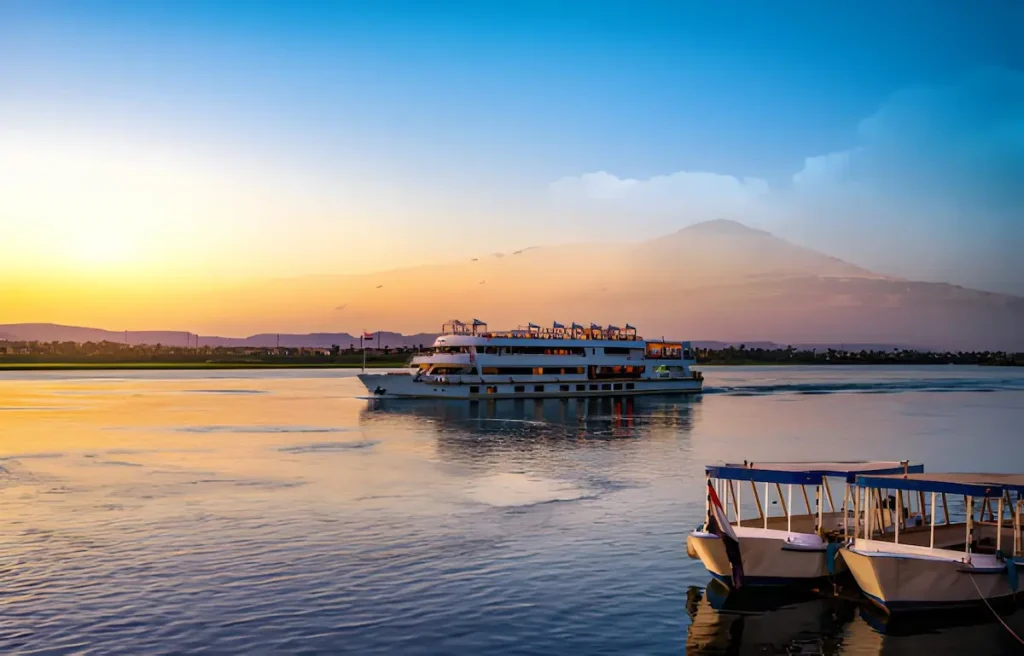
A Nile cruise ship functions like a floating hotel, but facilities vary by vessel. Standard cabins generally have air conditioning, a private bathroom and a window with a river view. Suites and premium cabins may offer more space or a balcony, but you should verify the exact cabin type and deck location before booking.
Many cruises operate on a full-board basis, with breakfast, lunch and dinner served onboard. Drinks may not be included. Evening programs can feature live music, a galabeya party or a cultural performance, depending on the ship and sailing schedule.
Wi-Fi may be available in cabins or shared areas, but the connection can be inconsistent while sailing. Travellers who need reliable internet should consider a local mobile data option. Noise levels can also vary when several vessels are docked beside one another, so light sleepers may want to request a quieter cabin location.
8. How a Typical Cruise Day Works
Sightseeing often starts early, especially in warmer months. After breakfast, passengers leave the ship with their guide for a temple or tomb visit, then return for meals and sailing. Some visits take place later in the afternoon or evening according to the ship’s docking schedule.
Cruise ships do not sail continuously throughout the day. They spend time docked for excursions, embarkation and overnight stays. Itineraries can also change because of navigation conditions, operating requirements or site schedules. A good package should explain which visits are confirmed and which experiences are subject to conditions.
9. How to Choose the Right Nile Cruise
Start with the route and dates, then compare the actual vessel and inclusions. The following checklist will help you avoid choosing on price alone:
- Confirm the direction: Luxor to Aswan or Aswan to Luxor.
- Check the number of nights: “Four days” often means three nights, while “five days” often means four nights.
- Identify the exact ship: request recent cabin photographs, the deck plan and available facilities.
- Compare cabin categories: review size, window type, deck position and any single supplement.
- Read the daily itinerary: make sure the sites you most want to visit are included.
- Confirm entrance fees: do not assume that guided sightseeing automatically includes tickets.
- Review recent feedback: focus on cleanliness, food, guiding, maintenance and how accurately the itinerary was delivered.
- Ask about optional costs: drinks, gratuities, Abu Simbel, hot-air balloon rides and premium tomb tickets may be separate.
If you are combining the cruise with Cairo or the Red Sea, compare the full trip sequence as well as the cruise itself. This helps reduce unnecessary transfers and makes it easier to coordinate domestic travel.
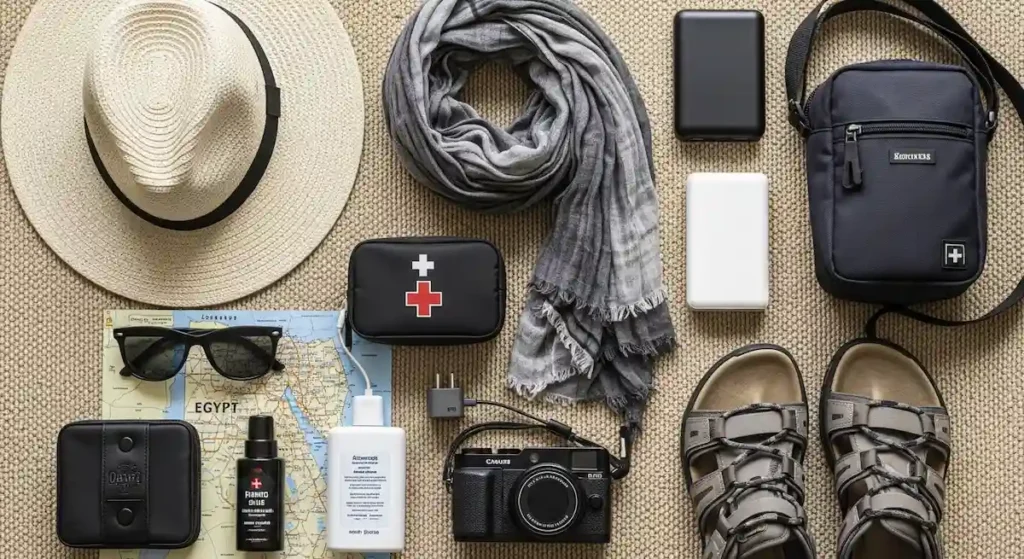
10. Nile Cruise Packing List
Pack for both outdoor sightseeing and relaxed time onboard. Lightweight, breathable clothing is useful during the day, while a light layer can help on cooler evenings or in air-conditioned spaces. Comfortable, secure walking shoes are important because temple floors and paths can be uneven.
- Sun hat, sunglasses and high-SPF sunscreen
- Refillable water bottle
- Comfortable walking shoes
- Modest clothing for visits beyond major tourist sites
- Light jacket or shawl for evenings
- Swimwear if your ship has a pool
- Personal medication and a small first-aid kit
- Power bank and suitable travel adaptor
- Copies of important travel documents
- Small notes for incidental expenses and gratuities
Keep medication, documents and valuables in your hand luggage rather than in checked baggage. Check the airline’s current restrictions before packing batteries, liquids or specialist equipment.
11. Safety and Practical Travel Tips
Follow the instructions of the ship crew and your guide during embarkation, sailing and shore excursions. Use handrails on gangways, wear suitable footwear and take extra care when ships are docked side by side. Keep valuables secured and carry only what you need during sightseeing.
Upper Egypt can be hot and dry, so drink water regularly and protect yourself from the sun. Travellers with mobility, dietary or medical requirements should discuss them before booking because accessibility and onboard services differ between ships.
Travel insurance is recommended for medical issues, delays and unexpected itinerary changes. Before departure, check current entry requirements and travel advice from the official authorities relevant to your nationality.
12. Plan Your Nile Cruise
The best Nile cruise is not necessarily the longest or most expensive. It is the one whose direction, ship, cabin, sightseeing and inclusions match your travel plans. Decide first whether you prefer the shorter Aswan-to-Luxor route, the more relaxed Luxor-to-Aswan journey, a small dahabiya or a separate Lake Nasser experience.
Use this Nile River Cruises Guide as a checklist when comparing options, then confirm every important detail in the final quotation.
When you are ready, compare current Nile cruise packages and review the complete itinerary on each package page. Middle East Voyager can help confirm sailing dates, cabin availability, inclusions and the final price for your group.
Nile River Cruises Guide: Frequently Asked Questions
Is a Nile cruise the same as a Lake Nasser cruise?
No. A classic Nile cruise usually travels between Luxor and Aswan. A Lake Nasser cruise operates south of Aswan and visits a different group of Nubian monuments, often including Abu Simbel.
Which direction is better: Luxor to Aswan or Aswan to Luxor?
Both directions visit many of the same principal sites. Luxor to Aswan is commonly offered as a five-day, four-night journey, while Aswan to Luxor is commonly offered as a four-day, three-night journey. Choose according to your available time and the rest of your Egypt itinerary.
Does a Nile cruise sail all day?
No. Ships spend part of the journey sailing and part docked for sightseeing, meals, embarkation and overnight stays. The balance varies by itinerary and operating schedule.
Is Abu Simbel included in a standard Nile cruise?
Usually not. Abu Simbel is south of Aswan and is commonly offered as an optional excursion by road or air. It may also be included on a Lake Nasser cruise.
Do Nile cruises operate throughout the year?
Many cruises operate year-round, but individual ships can have seasonal schedules or maintenance periods. Availability is generally highest during the popular cooler months, so confirm the ship and sailing date before booking other transport.
How far in advance should I book?
Book earlier if you are travelling between October and April, during major holidays, or if you need a particular ship or cabin category. Travellers with flexible dates may have more options closer to departure, but availability is not guaranteed.
Last updated: August 2026. Sailing schedules, site access, inclusions and prices can change. Confirm the final details for your chosen departure before booking.