Dubai Museum Al Fahidi Fort
1. Introduction to Dubai Museum Al Fahidi Fort
Dubai Museum Al Fahidi Fort is considered to be one of the most traditional cultural sites in the United Arab Emirates and also one of the most important places to learn about how modern Dubai developed. Situated at the center of Bur Dubai, Dubai Museum Al Fahidi Fort gives its visitors an experience of what life was like in the city before the oil discovery and the emergence of skyscrapers and deluxe shopping centers. Being the oldest extant structure in Dubai, the Dubai Museum Al Fahidi Fort is a strong reminder of the heritage and the strength of the emirate.
The significance of the Dubai Museum Al Fahidi Fort lies in its role as a vehicle for preserving Emirati identity. The Al Fahidi fort of Dubai has many exhibits where visitors can learn about the ancient houses, markets, crafts, and desert life. These exhibits make the travelers know how the people lived, worked, and how they managed to survive in a desert filled with harsh conditions. Dubai Museum Al Fahidi Fort is a must-visit landmark for those who are interested in culture, history, or education.
Dubai Museum Al Fahidi fort, a place located in Bur Dubai, contributes to its attractiveness. Located close to the Dubai Creek and the Al Fahidi Historical Neighborhood, Dubai Museum Al Fahidi Fort can be approached by a metro, taxi, or even the traditional abra boat. Being located in the middle of Dubai, the Dubai Museum Al Fahidi Fort allows one to visit old Dubai and the rich cultural background of this region.
2. History of Al Fahidi Fort
The history of the Dubai Museum Al Fahidi Fort traces its way to the late 18 th century, about 1787, when the fort was constructed to defend the city against invasion and tribal wars. Dubai was then a tiny trade colony, and the Dubai Museum Al Fahidi Fort was an important defensive facility that provided control over the land pathway to the city. Dubai Museum Al Fahidi Fort was a significant military base because of its strategic position, which was close to the Dubai Creek.
Dubai Museum Al Fahidi Fort served various purposes over the years of the city’s life. Not only was it used as a defense fort, but it was also used as a royal residence and a prison later on. All these functions indicate the level of importance the central Dubai Museum Al Fahidi Fort held in terms of governance and security of the early Dubai. The tales about those turbulent times can still be heard in the thick walls and watchtowers of the Dubai Museum Al Fahidi Fort.
In 1971, which saw the formation of the United Arab Emirates, it was the order of the then Sheikh Rashid bin Saeed Al Maktoum to have the Dubai Museum Al Fahidi Fort converted to a museum. This change became a new stage in the life of the Dubai Museum Al Fahidi Fort. Ever since, the Dubai Museum Al Fahidi Fort has been a cultural institution where the history of Dubai is being preserved and presented to the world.
3. Architecture and Design of the Fort
The Dubai Museum Al Fahidi Fort can be described as the ancient Emirati techniques of building that are adjusted to the desert climate. Dubai Museum Al Fahidi Fort was built using coral stone, gypsum, palm wood, and teak as the material, which is intended to give the building strength, insulation, and natural cooling. Such materials enabled the Dubai Museum Al Fahidi Fort to survive the extreme heat, besides being structurally sound for centuries.
The defensive design of Dubai Museum Al Fahidi Fort is one of the most remarkable features in this fort. The walls and tall watchtowers were constructed to ensure that the city was not attacked, and the guards could have a clear view of the enemies approaching. These towers continue to be among the most captured features of Dubai Museum Al Fahidi Fort and show the original military role.
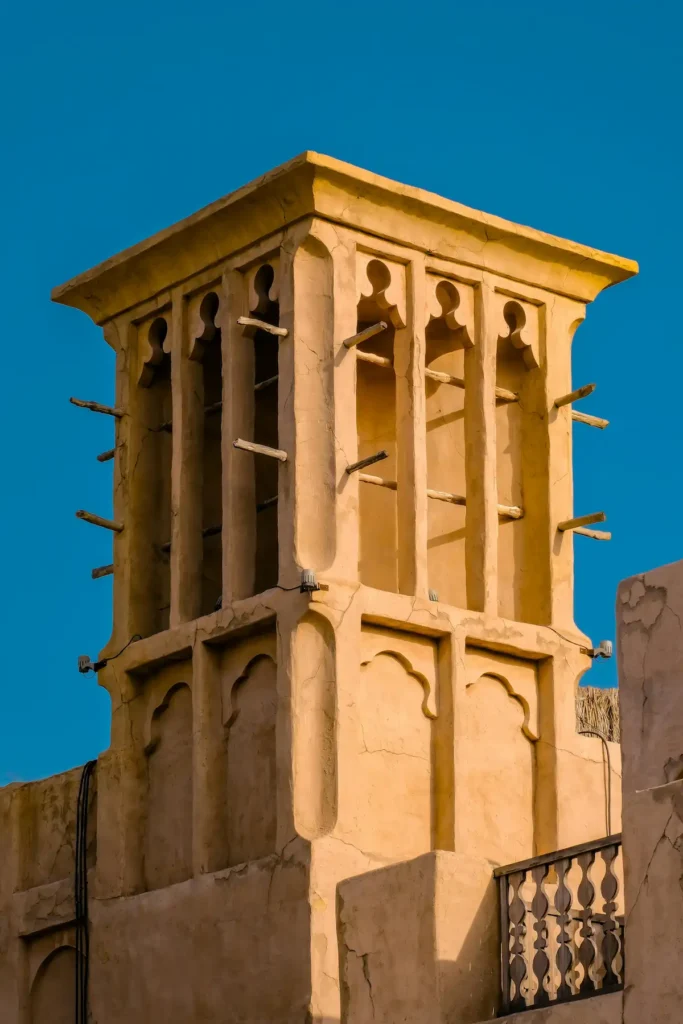
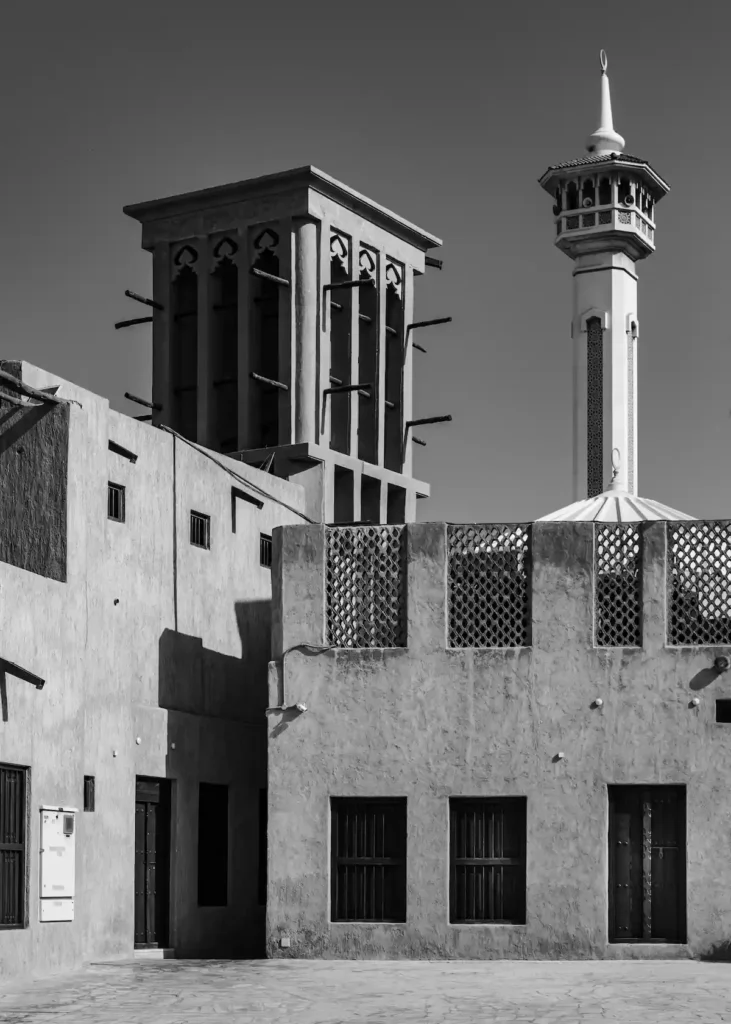
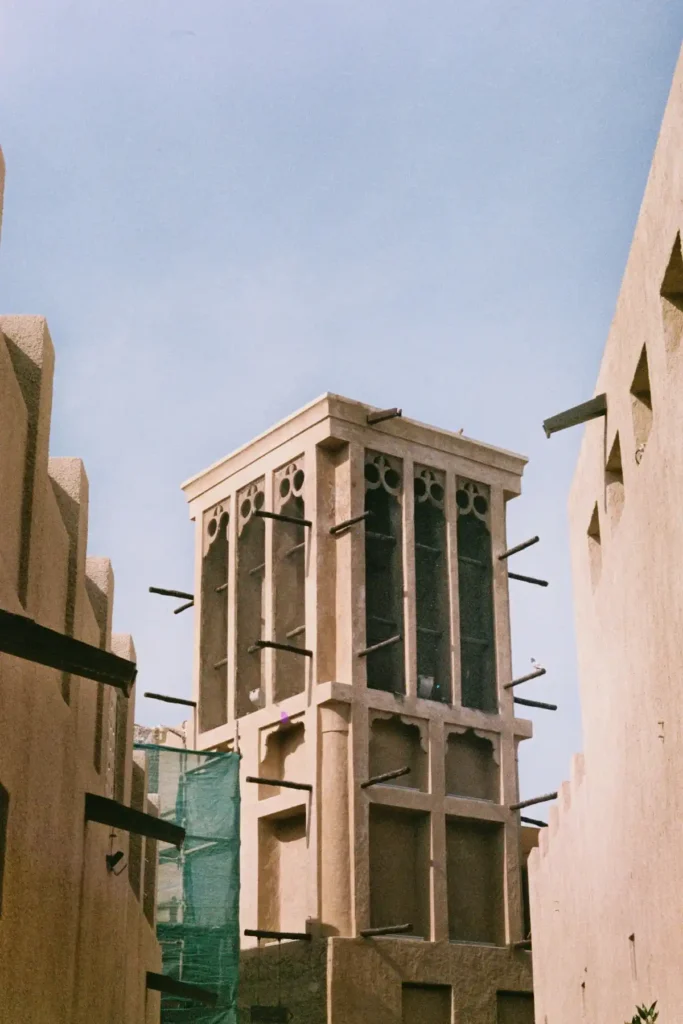
The courtyard design of Dubai Museum Al Fahidi Fort can be considered a representation of the traditional fort architecture in the area. The open central area was used to ventilate, hold meetings, and do day-to-day activities. Directing the cool air to living areas was carried out through wind towers (barjeel) so that Dubai Museum Al Fahidi Fort was a viable and comfortable building in spite of the severe weather conditions. The architecture of Dubai Museum Al Fahidi Fort today not only amazes the viewer but also enlightens regarding traditional designs, which can be sustainable.
4. What to See Inside the Dubai Museum
Dubai Museum Al Fahidi Fort provides tourists with an enjoyable experience of the life, traditions, and ancient history of this area with the help of the well-planned galleries and exhibits. Dubai Museum Al Fahidi Fort has one of its key sections devoted to traditional Emirati life. These shows are a reproduction of the Bedouin way of life, and they have real showcases of tents in the desert, places to cook, and humble household utensils.
This section of the Dubai Museum Al Fahidi Fort can educate visitors on how families lived, traveled, and survived the desert without any modern comforts. Another aspect of life that was discussed in the displays before oil finding is the way life in the region used to be, with fishing, trading, and pearl diving being the staple activities of the local economy.
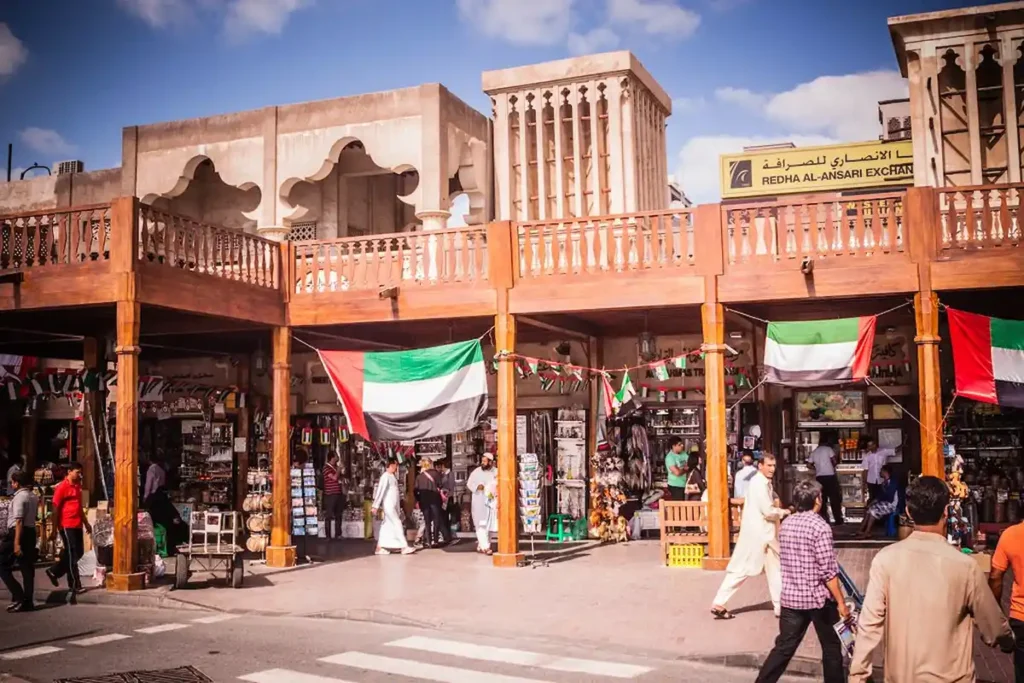
The other attraction within the Dubai Museum Al Fahidi Fort is the dioramas and life-size scenes. These partial restorations depict old souks, houses, and mosques that enable tourists to experience that they are strolling through an ancient Emirati city. There are special scenes taking place in the Dubai Museum Al Fahidi Fort that are dedicated to pearl diving and fishing, where there is a demonstration of how risky and professional these two traditional occupations can be.
The archaeological gallery within the Dubai Museum Al Fahidi Fort displays infrequent materials from Al Qusais, Jumeirah, and Al Sufouh. A lot of these products are over 3,000 years old, which testifies to the fact that the region has a rich and ongoing history. These parts collectively render the Dubai Museum Al Fahidi Fort a major tourist destination for all those who are interested in culture and heritage.
5. Underground Galleries Experience
The underground galleries experience is one of the most memorable experiences of visiting the Dubai Museum Al Fahidi Fort. After walking into the fort, visitors enter a dark tunnel-like walkway which has a chain of themed galleries. It is an underground structure within the Dubai Museum Al Fahidi Fort that creates the impression of a mystery and exploration, and takes visitors through the history of the old Dubai step by step.
Sound and light effects are also major characteristics of the underground galleries in the Dubai Museum Al Fahidi Fort. You hear the sounds of the desert, الأسواق التقليدية, and the sea as you pass through the tunnels, making the experience more realistic and involving. The light is soft, and each scene is emphasized to help visitors concentrate on the details of life, trade, and religious practices.
This chronologically guided tour of old Dubai is well guided to be both educational and emotive. Dubai Museum Al Fahidi Fort makes use of these galleries to depict the historic development of the society from small tribal communities up to the development of a trading city. The underground part of the Dubai Museum Al Fahidi Fort is the highlight of the whole visit for many visitors, as it combines storytelling, history, and immersive design in an overwhelming sense.
6. Cultural Importance of Dubai Museum
Dubai Museum Al Fahidi Fort is an important part of the process of preserving Emirati heritage and national identity. Dubai Museum Al Fahidi Fort is in the city of fast modernization, so it is important to remember the values, traditions, and hardships that led to the modern Dubai. Dubai Museum Al Fahidi Fort preserves the cultural memory of future generations by preserving historical objects, tools, and artifacts.
Another cause of its importance is the educational value of the Dubai Museum Al Fahidi Fort. The museum is visited regularly by schools, universities, and tourists to learn about pre-oil life, social customs, and traditional industries. Dubai Museum Al Fahidi Fort can assist visitors in comprehending how culture, religion, and the environment shaped people living in the past and made their lives easier with the help of guided tours and properly organized exhibits.
Dubai Museum Al Fahidi Fort plays the center stage in the cultural tourism strategy of Dubai in terms of tourism. It brings in tourists who would not just want to shop and have fun in the city. To history and authenticity lovers, the Dubai Museum Al Fahidi Fort can be a profound and insightful experience and a smart synthesis of the modern image of Dubai and the proud history of the city.
7. Practical Visitor Information
7.1 Location and How to Get There
Dubai Museum Al Fahidi Fort is located in the Al Fahidi area of Bur Dubai, one of the oldest and most historic districts in the city. This central location makes the Dubai Museum Al Fahidi Fort easy to reach from different parts of Dubai. The museum is close to Dubai Creek and surrounded by traditional neighborhoods, markets, and heritage sites, which makes the visit even more enjoyable.
The nearest metro station to the Dubai Museum Al Fahidi Fort is Al Fahidi Metro Station on the Green Line. From the station, it takes only a few minutes to walk to the entrance of the Dubai Museum Al Fahidi Fort. Visitors can also reach the museum by taxi, public bus, or by taking a traditional abra across Dubai Creek and walking from Deira. Thanks to its convenient location, Dubai Museum Al Fahidi Fort fits بسهولة into any city tour itinerary.
7.2 Opening Hours and Ticket Prices
Dubai Museum Al Fahidi Fort usually opens in the morning and closes in the evening, with slightly different timings on weekends and public holidays. These flexible opening hours allow both early visitors and evening tourists to enjoy the museum comfortably. It is always recommended to check the latest timings before visiting the Dubai Museum Al Fahidi Fort, especially during Ramadan or special events.
One of the best advantages of the Dubai Museum Al Fahidi Fort is its affordable entry fee. The ticket price is very low compared to many other attractions in Dubai, making the Dubai Museum Al Fahidi Fort accessible for families, students, and budget travelers. This affordable cost allows more visitors to explore Dubai’s heritage without worrying about expenses.
7.3 Best Time to Visit
The best time to visit the Dubai Museum Al Fahidi Fort is usually in the morning, when the museum is quieter and the galleries are less crowded. Morning visits allow you to explore the Dubai Museum Al Fahidi Fort at a relaxed pace and take time to enjoy each exhibit.
Weekdays are generally better than weekends, as local visitors often come on Fridays and Saturdays. Visiting the Dubai Museum Al Fahidi Fort during weekdays ensures a more peaceful experience. In terms of season, cooler months are ideal, but the Dubai Museum Al Fahidi Fort remains a good indoor attraction all year round.
8. Nearby Attractions to Combine with Your Visit
Al Fahidi Historical Neighborhood.
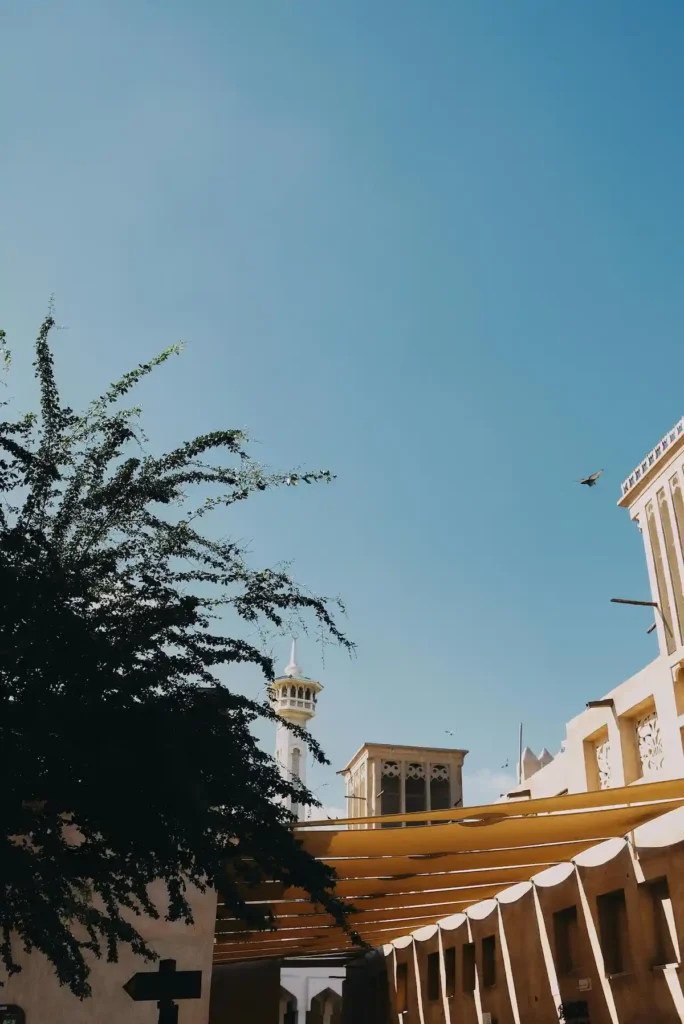
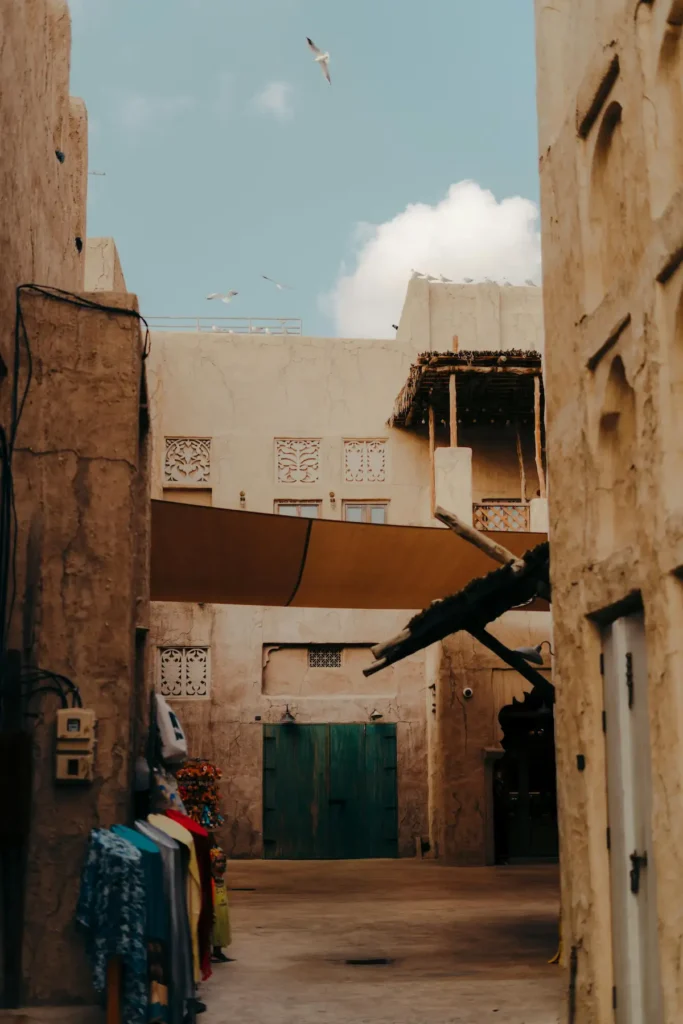
Another good destination that you can continue with your cultural experience is only a few steps away in the Al Fahidi Historical Neighborhood, which is just outside the Dubai Museum Al Fahidi Fort. The location is full of refurbished ancient houses, small streets, galleries, and mini museums. After visiting the Dubai Museum Al Fahidi Fort, the Al Fahidi is worth a visit to have a clue of what old Dubai used to appear like and what it used to feel like prior to the emergence of the modern world that started redeveloping it. This is because of the wind towers, courtyards, and heritage cafes that make this neighborhood the best place to proceed with your museum visit.
Dubai Creek Abra Ride
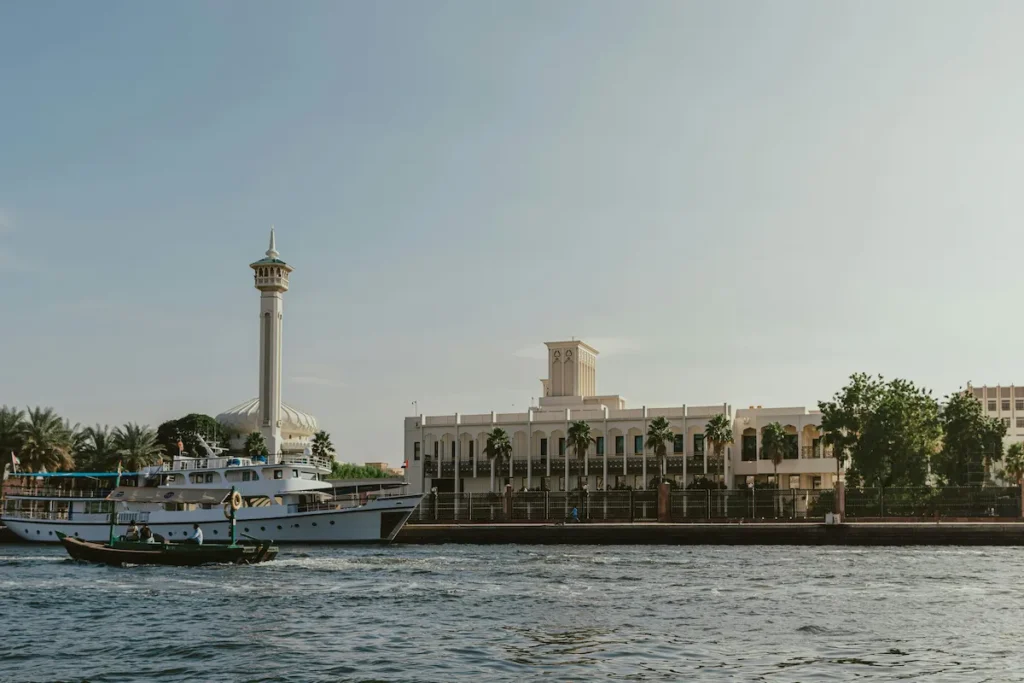
Dubai Museum Al Fahidi Fort will perfectly fit in with an old-fashioned abra ride across the Dubai Creek. Bur Dubai can be accessed using a small wooden vessel to Deira at a very cheap cost. It is a mini tour that gives you a breathtaking view of the previous locations of trade and illustrates the importance of the creek in shaping Dubai. Most visitors consider the abra ride to be a required part of the Dubai Museum Al Fahidi Fort.
Al Seef Heritage Area
Al Seef Heritage Area is another site that can be visited when in the Dubai Museum Al Fahidi Fort. This is a recreation of ancient Dubai that is made up of traditional buildings, shops, and restaurants along the seafront. Being in Al Seef and having a visit to Dubai Museum Al Fahidi Fort, you can take some time to relax, take some photos, and experience the cultural atmosphere.
9. Tips for First-Time Visitors to the Museum of the Future
How Much Time to Spend
One to two hours is the perfect time spent in the Dubai Museum Al Fahidi Fort by most of the visitors. This will enable time to visit the underground galleries, read the exhibits, and have time to appreciate them. In case you like history, you can take more time in the Dubai Museum Al Fahidi Fort.
Photography Rules
In general, photography is permitted within the Dubai Museum Al Fahidi Fort, but flash photography might be inhibited in certain zones. One must not disrespect signs and staff instructions when taking photos. This prevents the destruction of the exhibits within the Dubai Museum Al Fahidi Fort by the upcoming visitors.
Visiting with Kids
Dubai Museum Al Fahidi Fort is friendly to the family and children. The interactive exhibits and full-size scenes also make the visit interesting to the young visitors. To make the experience more educational, the parents should take the children through the galleries and explain to them what is being displayed.
10. Final Thoughts
Dubai Museum Al Fahidi Fort is a real place to watch and visit when someone is seeking to know the truth about the miraculous transformation of Dubai. Although it is currently known as the city of high-rise, posh shopping, and hi-tech buildings, the Dubai Museum Al Fahidi Fort reveals to the viewer the origin of it all.
Dubai Museum Al Fahidi Fort recreates history through its historical context, life-size displays, and underground galleries in an interesting and uncomplicated manner. It makes the visitors feel the hardships, customs, and ideals of the Emirati people before the oil discovery. It is this profound understanding of the culture that makes Dubai Museum Al Fahidi Fort one of the most significant places to be explored in the city.
Dubai Museum Al Fahidi Fort must not be left out for first-time visitors who would appreciate more than the modern attractions. It can also be for culture enthusiasts, history lovers, students, and families who seek an educational experience. The low resolution fee will be welcomed by low-end consumers, and the history of the old buildings and galleries will be enjoyed by the photographers and the travellers.
Even tourists who do not have much time to spend in Dubai can also do a short trip at Dubai Museum at Al Fahidi Fort. Anyone who wants to experience something genuine and enriching must not fail to visit the Dubai Museum Al Fahidi Fort, as it is the final destination of every Dubai tour and trip.