Al Fahidi Historical Neighborhood
Al Fahidi Historical Neighborhood – Complete Visitor Guide
1. Introduction to Al Fahidi Historical Neighborhood
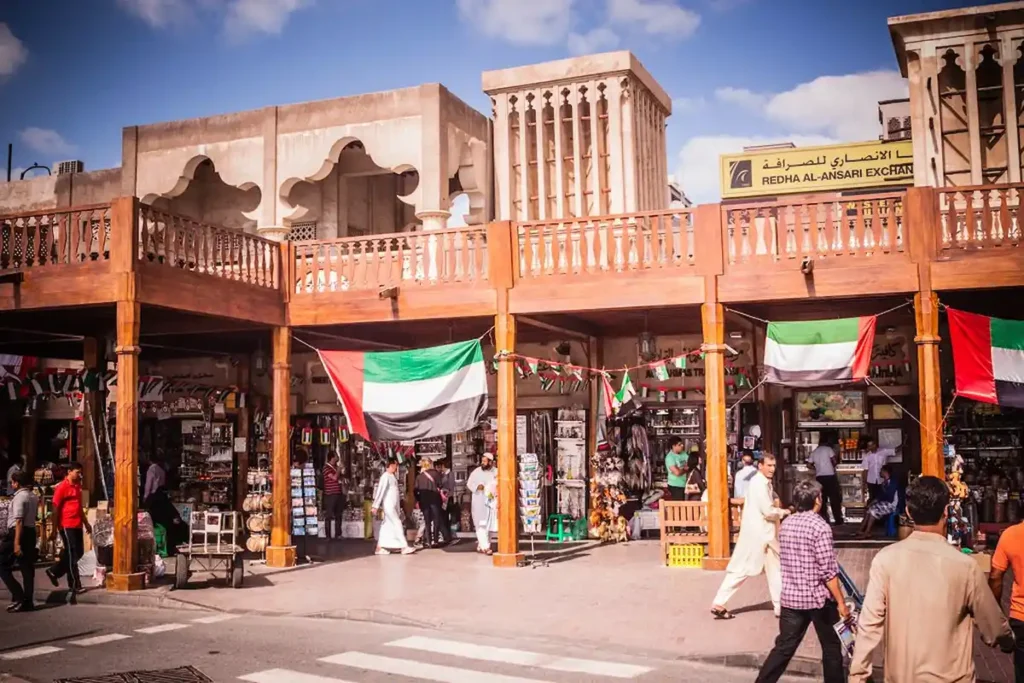
Al Fahidi Historical Neighborhood, or Al Bastakiya, is the oldest and most culturally rich area of Dubai. The Al Fahidi Historical Neighborhood, situated in Bur Dubai and close to Dubai’s historic Creek, provides visitors with a rare chance to explore the way of life in Dubai before the oil discovery. There is no modern skyline of high-rise buildings and needless malls in this area, but the traditional part of the city and the architecture are still present in the district.
Al Fahidi Historical Neighborhood is considered one of the most important heritage sites in Dubai because it demonstrates the sources of the Emirati culture, trade, and life. The neighbourhood has a history that can be traced back to the late 19 th century when it was constructed as a residential area of the merchants, craftsmen, and traders. It was well placed along the Dubai Creek and therefore provided an ideal place to conduct business and socialize.
Al Fahidi Historical Neighborhood is a modern museum today, with restored buildings, museums, an art gallery, and cultural centers. It is a place that one can walk and can experience old Dubai in a very tangible and immersive way. Al Fahidi Historical Neighborhood is a historical tourism destination that cannot be ignored by anyone concerned with history, culture, and traditional architecture, since it is a story of the modest beginning of Dubai.
2. History of Al Fahidi Historical Neighborhood
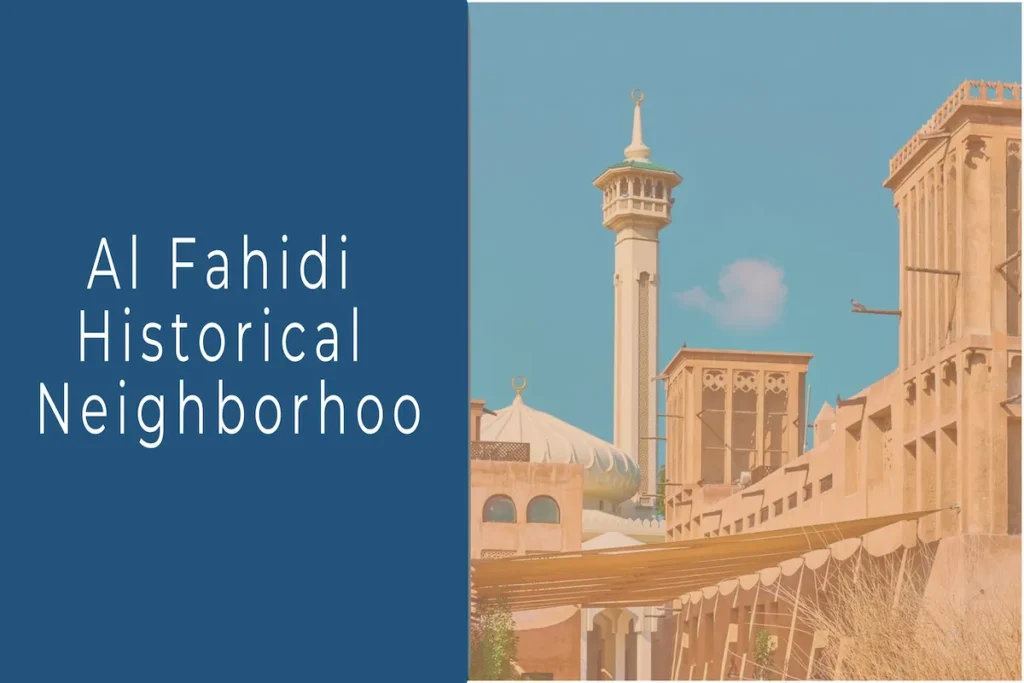
The history of Al Fahidi Historical Neighborhood could be traced back to the late 1800s when the region was first occupied by the rich merchants, most of whom were former residents of the Bastak area of Persia. These merchants were attracted to Dubai due to the increasing significance of the city as a trading post as well as its proximity to the Dubai Creek, which was a hub of business in the region.
Al Fahidi Historical Neighborhood is rapidly developed into a prosperous residential and commercial area. The traders of Persia brought with them unique styles of architecture, such as wind towers, which incorporated the original Gulf architecture. It was a critical element of the early economic life in Dubai as the neighborhood was a center of pearl, textiles, and spice trading, among other things.
The modernization of Dubai in the middle of 20 th century threatened to destroy most of the old locations. Nevertheless, the Al Fahidi Historical Neighborhood was rescued due to the preservation efforts by the Dubai authorities and cultural groups. There were massive restoration works done to preserve the original structures and to redesign them in an adaptive way.
Al Fahidi Historical Neighborhood today is a representation of the desire of the city of Dubai to retain its historicity. Its well-preserved buildings enable people to visit the history of the city and how the history has formed the modern Dubai.
3. Traditional Architecture in Al Fahidi
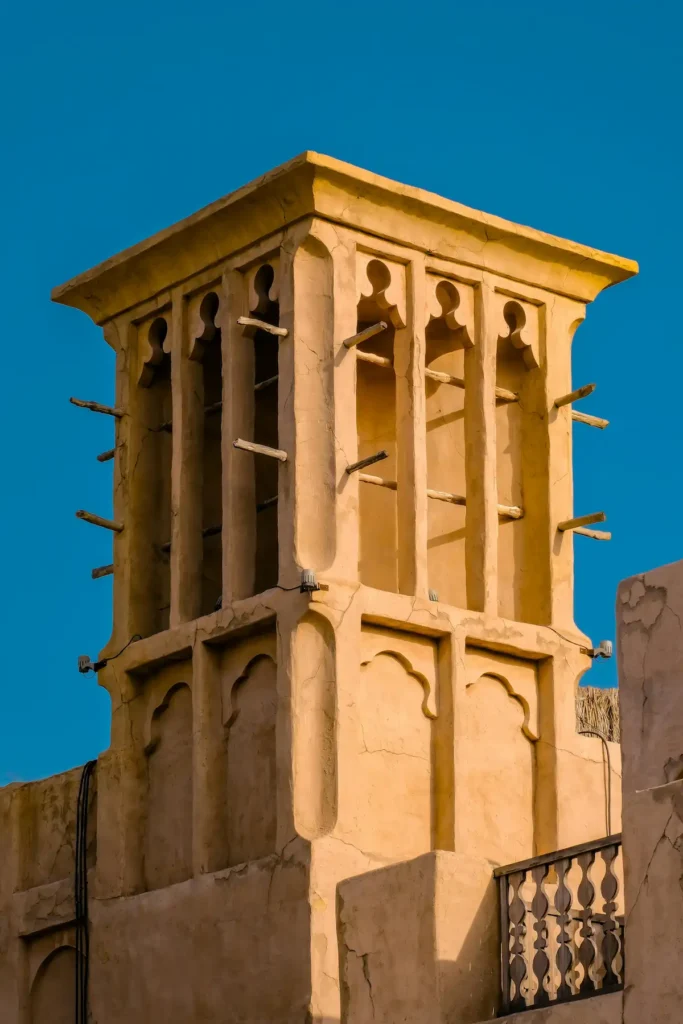
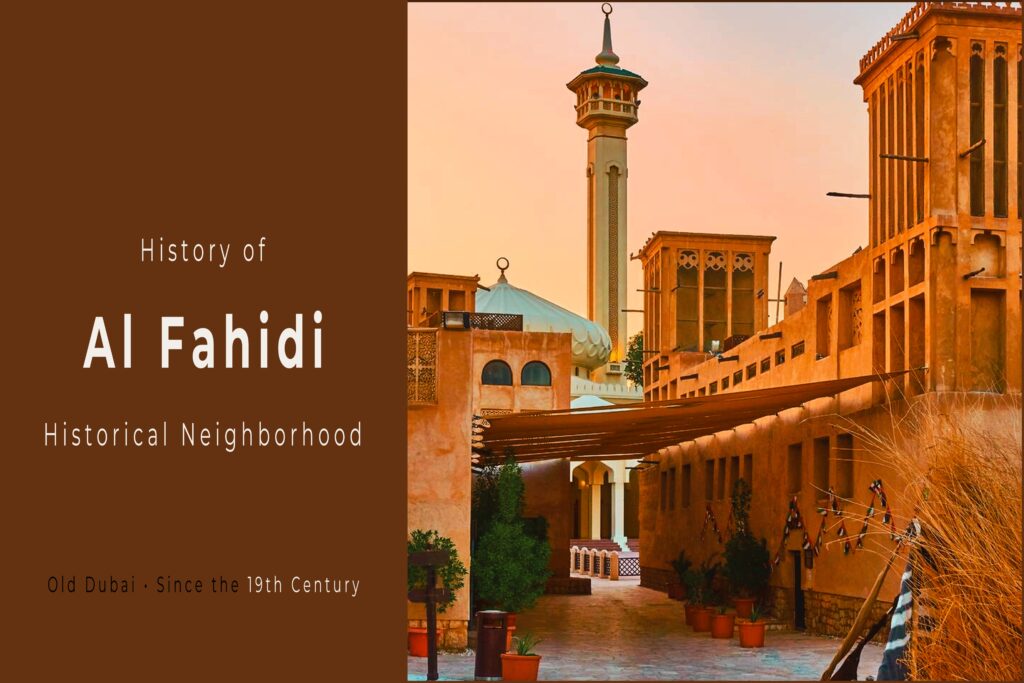
The most eye-opening aspect is the traditional architecture of Al Fahidi Historical Neighborhood that demonstrates the adjustment to the environment, not to mention culture, as well. The most identifiable building element dominant in Al Fahidi Historical Neighborhood is the wind tower, or Barajeel. These towers were to receive the cool wind and direct it to the houses, thereby providing natural cooling in the desert climate of Dubai, which is hot.
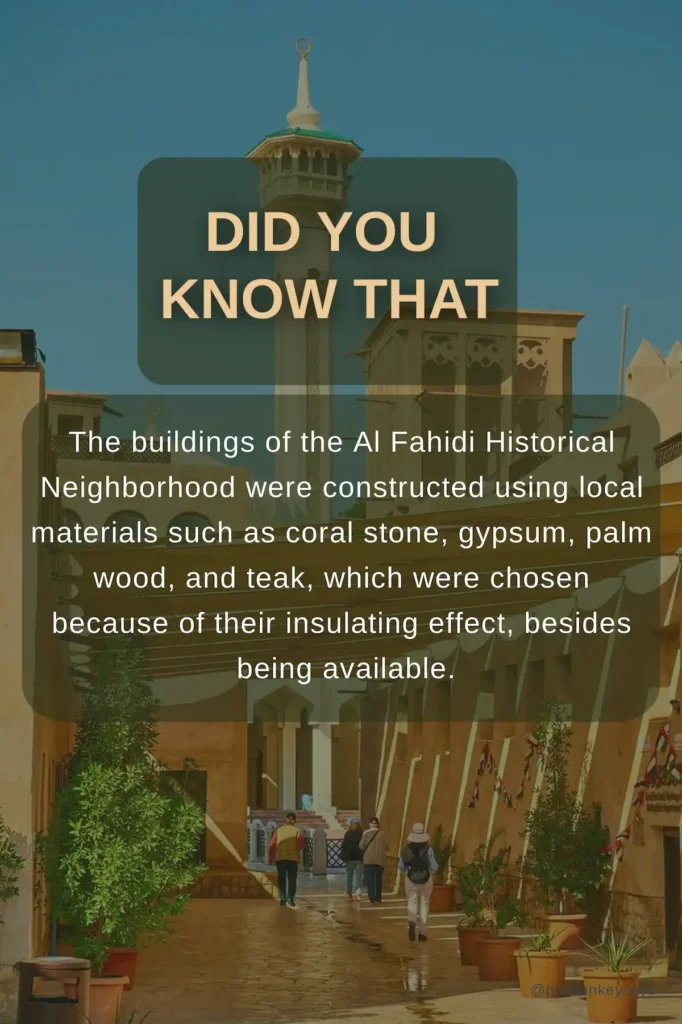
The buildings of the Al Fahidi Historical Neighborhood were constructed using local materials such as coral stone, gypsum, palm wood, and teak, which were chosen because of their insulating effect, besides being available. The structures are usually designed with a central courtyard, which generates privacy as well as ventilation and shaded residential spaces for the residents.
The small streets of the Al Fahidi Historical Neighborhood were intentionally planned in order to reduce the direct sunlight as much as possible and to moderate the temperature. Another thing that made the experience more comfortable was the tall walls and dark paths, which did not ruin the sense of belonging and security.
The style of architecture is a reconstruction of the ancient life, climatic awareness, and social views of ancient Dubai. Al Fahidi Historical Neighborhood is among the most preferable locations today to visit to understand how the traditional Gulf architecture used to balance beauty, functionality, and sustainability without any modern mechanisms.
4. Cultural Attractions in Al Fahidi
Al Fahidi Historical Neighborhood is not only known for its architecture but also for its rich collection of cultural attractions that bring Dubai’s heritage to life. This historic district is home to several museums, cultural centers, and heritage houses that help visitors understand the traditions, customs, and daily life of old Dubai. Exploring the cultural attractions in Al Fahidi Historical Neighborhood allows travelers to connect with the city’s past interactively and educationally.
Many of the restored buildings in Al Fahidi Historical Neighborhood have been transformed into museums and cultural spaces, each focusing on a different aspect of Emirati and Gulf heritage. These attractions highlight traditional lifestyles, trade, art, and social customs that shaped Dubai before its rapid modernization. The calm atmosphere of Al Fahidi Historical Neighborhood makes it ideal for cultural exploration, away from the busy modern districts.
Cultural attractions in Al Fahidi Historical Neighborhood are suitable for all types of visitors, including families, history lovers, and first-time travelers to Dubai. Whether you are interested in history, art, or local traditions, this area offers meaningful experiences that go beyond sightseeing. Visiting the cultural attractions of Al Fahidi Historical Neighborhood is one of the best ways to understand Dubai’s identity and cultural roots.
4.1 Dubai Museum (Al Fahidi Fort)
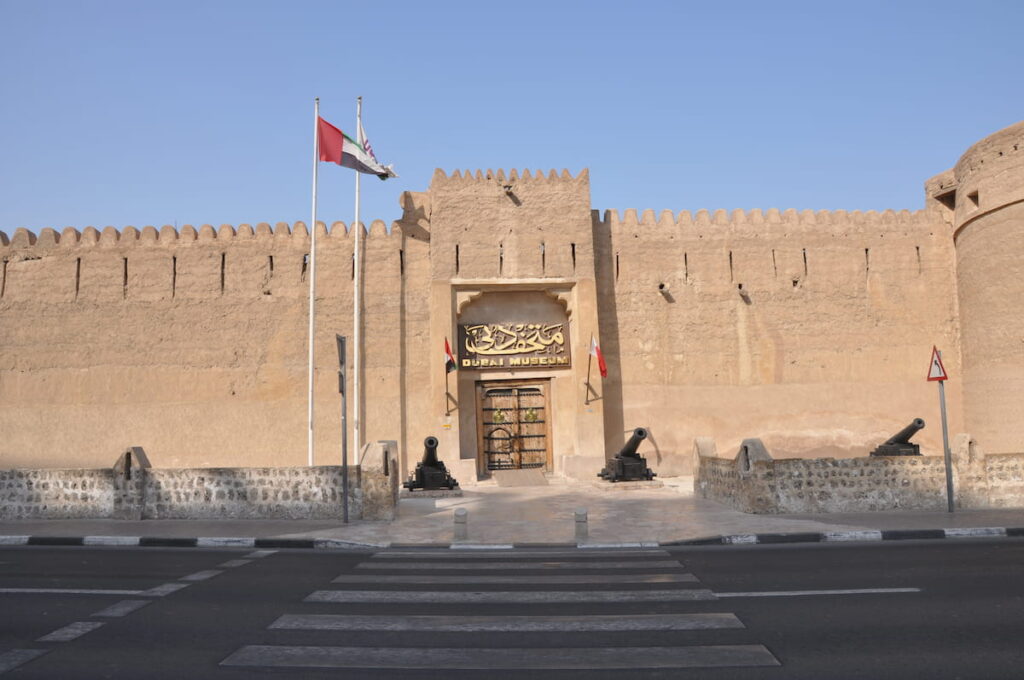
The Dubai Museum, located inside Al Fahidi Fort, is one of the most important landmarks in Al Fahidi Historical Neighborhood. Built in 1787, Al Fahidi Fort is the oldest existing building in Dubai and plays a key role in preserving the city’s history. The museum provides valuable insight into Dubai’s transformation from a small fishing and trading settlement into a global city.
Inside the Dubai Museum, visitors can explore a wide range of exhibits that showcase life in old Dubai. These include traditional homes, souks, mosques, and desert environments, all recreated with detailed dioramas. The museum also features displays on pearl diving, fishing, and early trade, which were essential to the economy of Al Fahidi Historical Neighborhood and Dubai Creek.
Artifacts such as weapons, musical instruments, coins, and tools help visitors understand everyday life in the past. Audio-visual presentations further enhance the experience, making the Dubai Museum both educational and engaging. A visit to the Dubai Museum in Al Fahidi Historical Neighborhood is essential for anyone who wants a deeper understanding of Dubai’s heritage and cultural evolution.
4.2 Coffee Museum
The Coffee Museum is a unique cultural attraction located in Al Fahidi Historical Neighborhood, celebrating the deep-rooted coffee traditions of the Arab world. Coffee has long been a symbol of hospitality and social connection in Gulf culture, and this museum highlights its historical and cultural importance. Visiting the Coffee Museum adds a sensory and educational experience to your walk through Al Fahidi Historical Neighborhood.
The museum explores the history of coffee, tracing its journey from Ethiopia and Yemen to the Arabian Peninsula and beyond. Exhibits explain how coffee became an essential part of daily life and social gatherings in Emirati culture. Visitors can learn about traditional coffee tools, roasting techniques, and grinding methods used across different regions.
One of the highlights of the Coffee Museum in Al Fahidi Historical Neighborhood is the demonstration of traditional Arabic coffee brewing methods. Guests can watch how coffee is roasted, ground, and brewed using classic utensils, and in some cases, taste freshly prepared Arabic coffee. This experience offers a deeper appreciation of local customs and makes the Coffee Museum a must-visit cultural stop in Al Fahidi Historical Neighborhood.
4.3 Sheikh Mohammed Centre for Cultural Understanding (SMCCU)
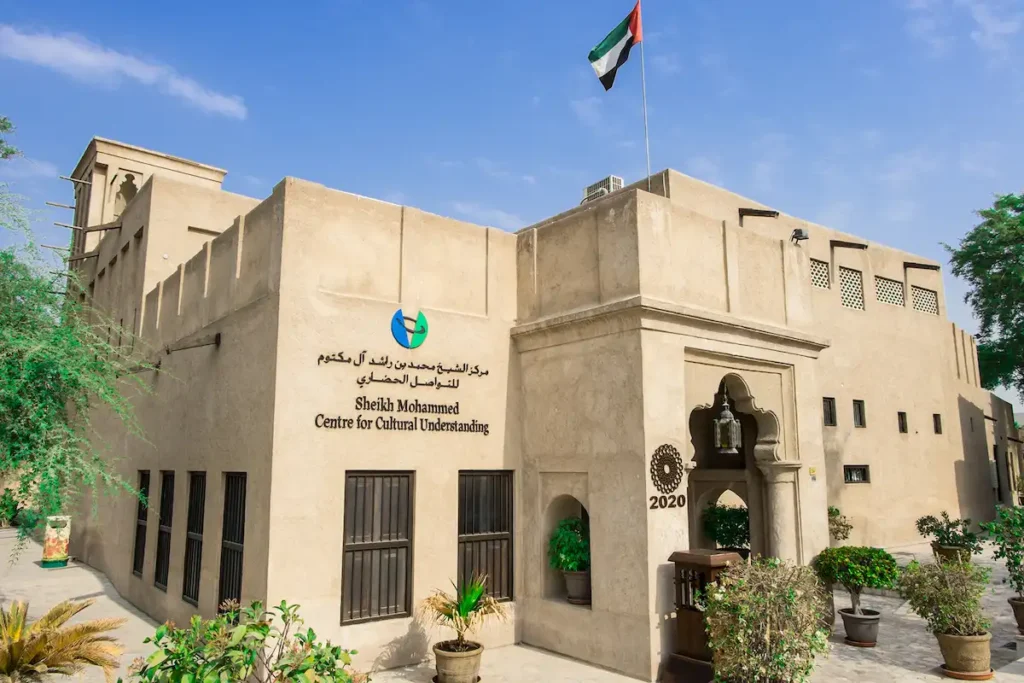
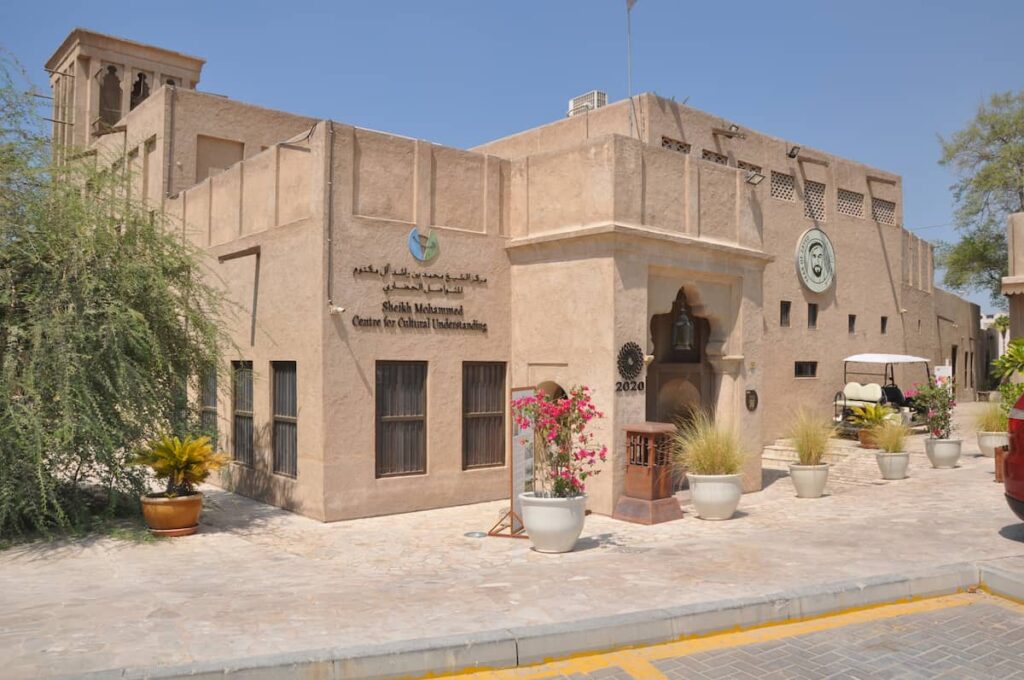
The Sheikh Mohammed Centre for Cultural Understanding (SMCCU) is one of the most meaningful cultural institutions in Al Fahidi Historical Neighborhood. Established to promote cross-cultural dialogue, the center follows the motto “Open Doors, Open Minds.” It provides visitors with an authentic opportunity to learn about Emirati culture, traditions, and values in a welcoming environment.
SMCCU offers a variety of cultural programs and guided tours that take place throughout the Al Fahidi Historical Neighborhood. These tours explain local customs, religious practices, and historical context while encouraging open discussion and questions. Knowledgeable Emirati guides help visitors gain a deeper understanding of life in the UAE, past and present.
One of the most popular experiences at SMCCU is the chance to enjoy traditional Emirati meals. Guests can sit on floor cushions and share dishes while listening to informative talks about the Emirati lifestyle, etiquette, and cuisine. These cultural meals create a relaxed setting for learning and conversation. Visiting SMCCU in Al Fahidi Historical Neighborhood is an unforgettable way to experience genuine Emirati hospitality and cultural exchange.
5. Art Galleries and Museums
The Al Fahidi Historical Neighborhood is a rich cultural center that intertwines culture and inventiveness through its art galleries and museums. XIVA Gallery is one of the most renowned spaces and concentrates on contemporary Middle-Eastern art. XVa Gallery is a gallery located within a classic courtyard house that exhibits paintings, photography, and installations of local and international artists and is one of the major art centers in Al Fahidi Historical Neighborhood.
The Calligraphy House, devoted to calligraphy as an art form among the Arabs, is another significant cultural site. Arabic calligraphy ideas, old scripts, and contemporary applications can be viewed in terms of different calligraphy styles, historical scripts, and new applications by the visitors of Al Fahidi Historical Neighborhood. Another undiscovered secret is the Coin Museum, which presents rare coins that have been used all over the history of the region, and this provides an insight into the trade and economy in old Dubai.
Sikka Art exhibitions are also held throughout the year and introduce temporary art displays and creative events in Al Fahidi Historical Neighborhood. The exhibitions usually include the local Emirati artists and upcoming talents. All these galleries and museums make the Al Fahidi Historical Neighborhood a must-visit place for anyone who loves art and wants to experience something culturally important other than modern-day Dubai.
6. Things to Do in Al Fahidi
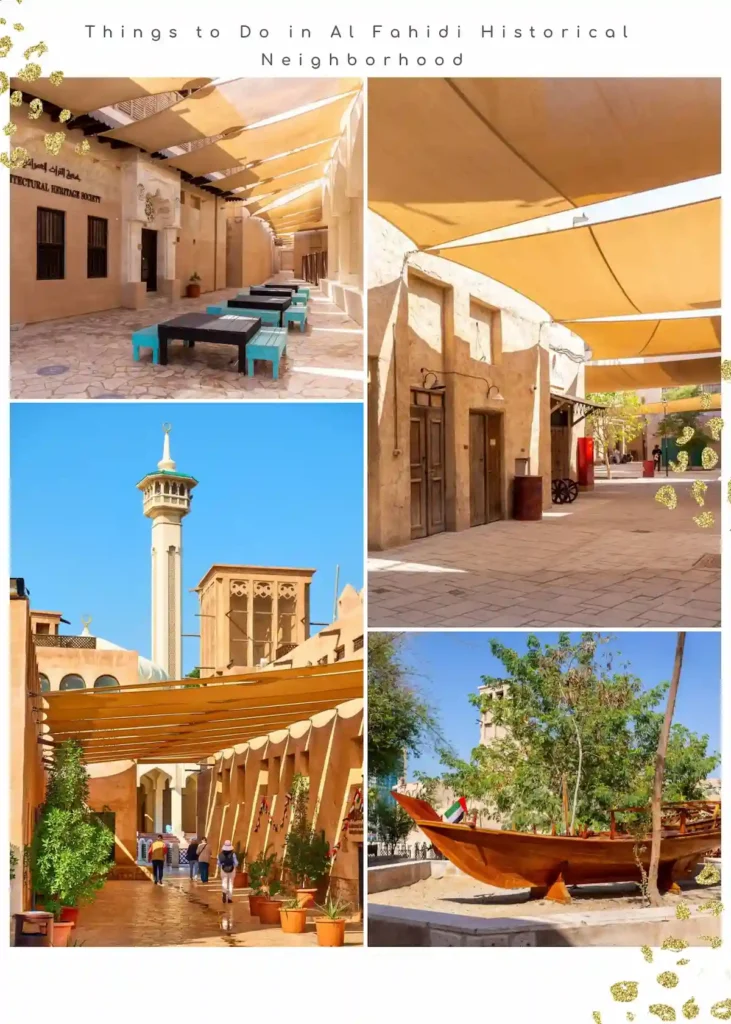
Al Fahidi Historical Neighborhood is not only a sightseeing place since it is rich in fun and other activities that are worthwhile. A stroll along the heritage lanes is one of the finest things to do, as tourists get to see narrow lanes, renovated homes, and empty courtyards that depict the beauty of the old Dubai. A story of the past can be found in every part of the Al Fahidi Historical Neighborhood.
There are myriad photography locations within the Al Fahidi Historical Neighborhood that keen photography enthusiasts would enjoy. It is one of the most photogenic areas in Dubai due to the natural light and aged textures.
Cultural workshops are also open to visitors, such as calligraphy, pottery, and heritage talks, and can be held in cultural centers located in Al Fahidi Historical Neighborhood. The practical experiences give a better understanding of culture. Also, one of the activities is relaxing in local cafes and tea houses. A large number of cafes are located in old buildings, and they serve Arabic coffee and snacks in a tranquil environment. The visit to these activities will help the visitors immerse into Al Fahidi Historical Neighborhood.
-
Walking through heritage lanes
-
Photography spots
-
Attending cultural workshops
-
Visiting local cafés and tea houses
7. Al Fahidi and Dubai Creek Experience
The strong relations between Al Fahidi Historical Neighborhood and the Dubai Creek are critical in the context of Dubai heritage. Dubai Creek, which is within a short walk, was the source of trade, fishing, and pearl diving in the early history of the city. Al Fahidi Historical Neighborhood is an easy area to visit to access this historic waterway.
Riding an abra, which is a traditional boat, through Dubai Creek, is one of the most common activities around Al Fahidi Historical Neighborhood. The boats are wooden, which makes them cheap and close to the experience of old Dubai with scenic views of Bur Dubai and Deira.
A number of visitors visit Al Fahidi Historical Neighborhood in conjunction with other adjacent heritage sites, including the Deira souks and Al Seef. Deira has traditional markets, and Al Seef represents the historic architecture on the waterfront. All these destinations can be considered as a full-fledged cultural tour. Taking a tour to Al Fahidi Historical Neighborhood and Dubai Creek gives better understanding on how Dubai evolved due to the influence of trade and geography.
8. Best Time to Visit Al Fahidi Historical Neighborhood
Al Fahidi Historical Neighborhood is the place that should be visited at the most suitable time to enhance the experience. This is the most suitable season of the year between November and March, when it is not hot and it is more comfortable to go on a walk. During the months like these, walking in the exterior streets and in the courtyards of Al Fahidi Historical Neighborhood is especially nice.
The best time of the day to visit Al Fahidi Historical Neighborhood can be in the morning during early time or in the afternoon when the sun is not at its peak. Mornings are more serene and light to deal with, and the evenings are cooler and the culture is more vivid. Midday visits are also available and are hot especially on summer.
There are also special events and festivals in the year at Al Fahidi Historical Neighborhood such as art fairs, heritage celebration, and cultural workshops. These are the added value to the visit and the travelers can learn more about the local culture. Planning is the most successful experience in Al Fahidi Historical Neighborhood, as it is planned when the weather is fine, and the events are ongoing.
9. How to Get to Al Fahidi
Dubai’s effective transportation system serves as a major advantage in this regard. The most comfortable transport option among all is the Dubai Metro. It is the Green Line’s Al Fahidi Station that is very close to the historical neighborhood. Walking from the station to the historical neighborhood takes no more than a couple of minutes.
It is also very common to have a vast number of taxis and private car service providers, such as Careem and Uber, who will take you straight to the Al Fahidi Historical Neighborhood. This transport option suits perfectly families and people who are traveling in very hot weather.
People who are in the process of exploring other tourist attractions that are near will find the walking tours for tourists that are already available, through linking Al Fahidi Historical Neighborhood with Dubai Creek, Al Seef, and Bur Dubai areas. In order to capture the environment completely and make a very smooth transition from the current streets to the lanes of the past, walking is allowed. Owing to the fact that it is in the very center of things, the Historical Neighborhood of Al Fahidi can well be included in any of the tourists visiting Dubai’s travel itinerary at any time.
10. Visitor Tips and Practical Information
Al Fahidi Historical Neighborhood is a place where one can have a memorable and respectful experience through the correct behavior and dress code. It would be good to dress in a modest way and behave according to the local culture in the museum and cultural center areas. The most appropriate clothes to wear include the ones that are loose and light to keep you cool, and the ones that cover your shoulders and knees as well.
Al Fahidi Historical Neighborhood is easily reachable and has good services for visitors, such as toilets, cafes, and seats. Nevertheless, some of the streets are narrow, which makes it not that exceedingly easy for the handicapped to get around the area. Therefore, it is a good idea to have comfortable walking shoes on.
During your visit, there is a range of services available that are specifically there to support you with any issues or questions you may have. These spots are also the places where you may pick up a well-documented and easily-followed map. Moreover, there are also stands at which you could ask for help, as well as places where you could scan a QR code to get the information. Moreover, there are also parts of the area where you can get brochures and newsletters.
Tourists are advised to reserve a significant part of their day for the Al Fahidi Historical Neighborhood, maybe 2 to 3 hours at least, but lovers of the place may spend even more time. The relaxed walking pace around the area will gradually let you absorb the fullness of the history, art, and atmosphere that the magnificent neighborhood has to offer.
-
Dress code and cultural etiquette
-
Entry fees (mostly free attractions)
-
Accessibility and facilities
-
Recommended time to spend
11. Al Fahidi vs Modern Dubai
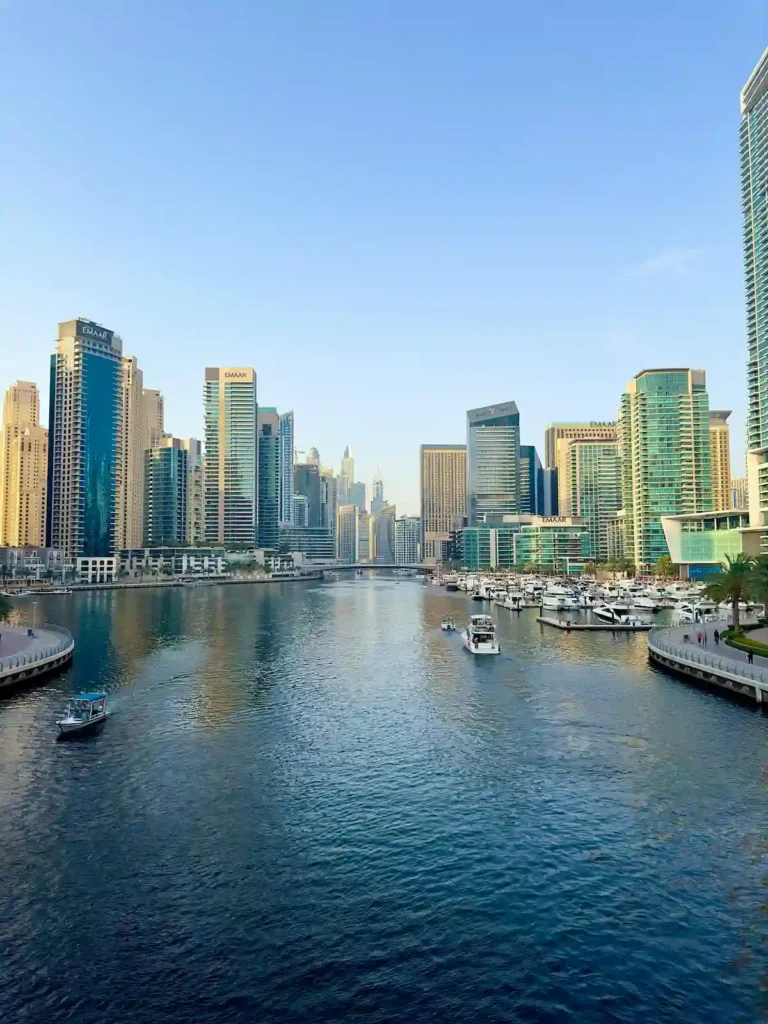
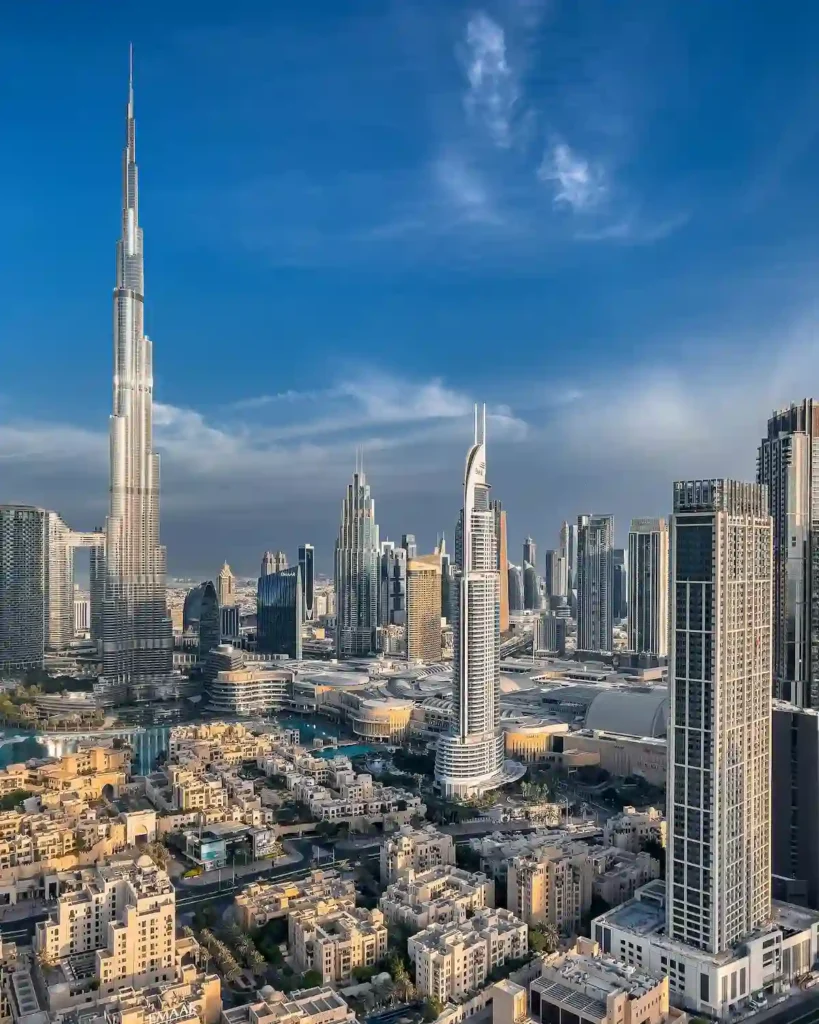
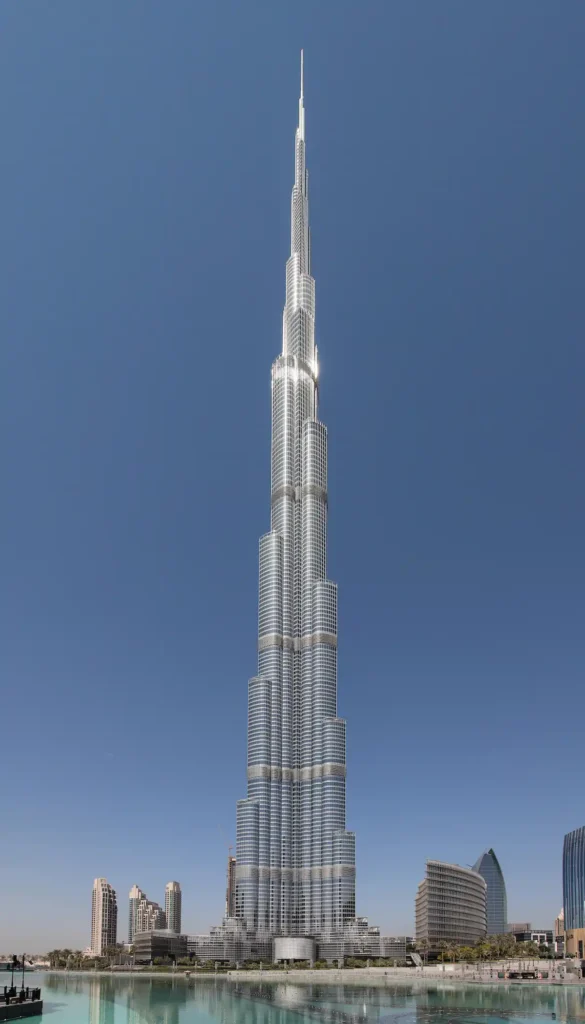
While contemporary architecture is prevalent in regions such as Downtown Dubai and the Dubai Marina, the Al Fahidi Historical Neighborhood gives a completely contrasting perspective of Dubai. Downtown Dubai is known for its skyscrapers, luxurious malls, and landmark structures such as the Burj Khalifa; however, the Al Fahidi Historical Neighborhood is a very calm and more classic part of the city. The picturesqueness of the area is enhanced by the wind towers, the twisty streets, and the perfectly kept courtyard houses, contrasting starkly with the high-rises and freeways.
Dubai Marina is an example of the recent urban lifestyle, dining by the sea, and a high-end residential area, and it is a reflection of the fast growth of Dubai. However, on the flip side, the Al Fahidi Historical Neighborhood is the reminiscence of the “old Dubai”, where the community’s major events were mostly business-related, societal, and attuned to the desert ecological conditions. This treasured locale preserves the underlying patterns in terms of lifestyle, structure, and culture that were in place even before the city was transformed by the oil industry into what it is at present.
For new visitors who would like to be situated in a central cultural environment, the best place to start is Al Fahidi Historical Neighborhood. A visit there can help tourists to understand the way Dubai, first still a very small trading settlement, turned into a global destination. Ultimately, the travel experience with the unique mixture of old and new, offered by going to Al Fahidi Historical Neighborhood along with the vision of the futuristic quarters, is offering the depth of culture in addition to the luxury of contemporary life all at once. Culture contrast is what makes the Al Fahidi Historical Neighborhood so culturally invaluable.
12. Nearby Attractions to Explore
Another of the advantages of visiting the Al Fahidi Historical Neighborhood is that it is so close to many other cultural and shopping sites in Bur Dubai. For example, just around the corner is the Al Seef Heritage Area, which is a very nice waterfront area that was made to show the traditional Emirati architecture. It will truly be a beautiful addition to the Al Fahidi Historical Neighborhood, as there are the offerings of restaurants, shopping, and a lovely view of the Dubai Creek.
In addition, one of the quiet attractions one might visit is Meena Bazaar, where a person can just lose oneself among textiles, jewelry, spices, and traditional souvenirs. The reason one goes to Meena Bazaar right after coming from Al Fahidi Historical Neighborhood is to live the trading culture of the old Dubai through a vibrant market experience. Furthermore, it is not a long way from the Bur Dubai Souks, which offer unique items not available at the modern malls.
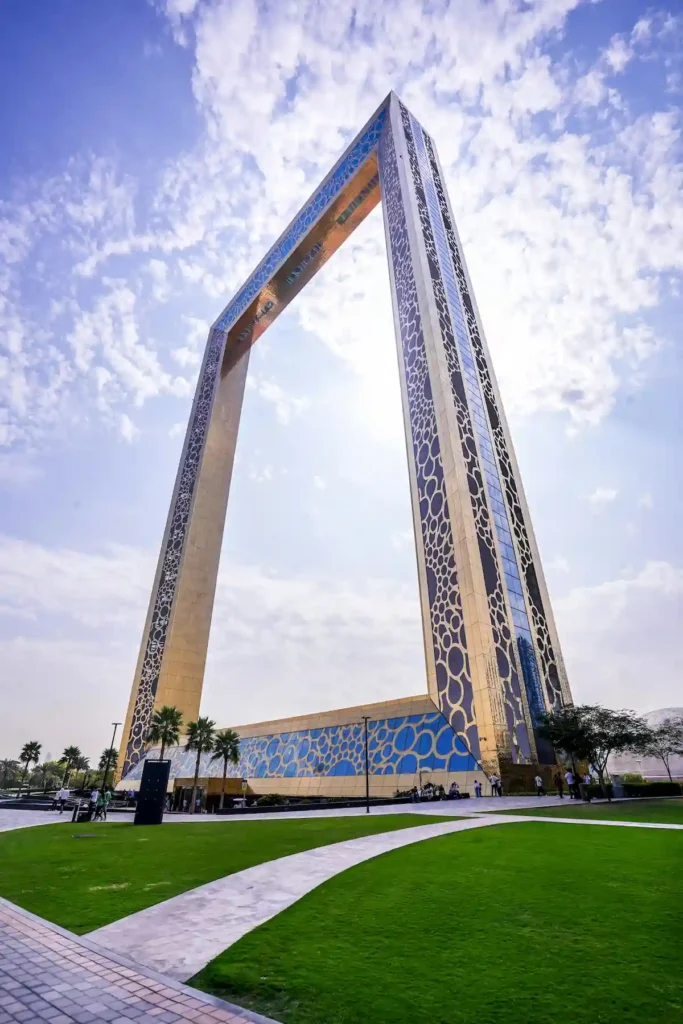
If you don’t mind going a little way, then you can easily reach the Dubai Frame even by car or taxi. People with a special liking for such kinds of sights won’t miss the chance to reach there. This is because the place overlooks the whole of Wolder Dubai with New Dubai in the background, a mixture of old/new Dubai not to be missed! In a word, it is a perfect addition to the cultural itinerary.
Suppose you decide to stay in the vicinity and visit the historical quarter of Al Fahidi as well as the aforementioned attractions during the day, then the whole day will be spent in a fantastic way with a blend of heritage, shopping, and sightseeing at the same time.
-
Al Seef Heritage Area
-
Meena Bazaar
-
Bur Dubai Souks
-
Dubai Frame (short drive away)
13. Why the Al Fahidi Historical District Is Worth Visiting
Al Fahidi Historical Neighborhood is a place that one should see because it gives a strong cultural and educational experience, which is not available in Dubai’s modern districts. Al Fahidi Historical Neighborhood narrates the story of Dubai’s origin, tradition, and the early way of life through its preserved architecture, museums, and cultural centers.
Family, photographer, and history buff friendly, this is an amazing place to learn from and have fun at families as they tour through the museum and the cultural activities that are on display, photographers get drawn to the wind towers, and textured walls, and the atmospheric alleyways, history enthusiasts, however, will feel at home since the place gives them a real reflection of a life that existed before Dubai was modernized so quickly.
Above all, the Al Fahidi Historic Neighborhood offers an original and different experience from the shopping malls and skyscrapers that tourists are used to. Besides, the area offers a unique slow and foot-related travelling experience, allowing the guests to connect with the whole Emirati culture in a very profound and authentic manner. No matter if it is your first time in Dubai, or you are a frequent visitor, the Al Fahidi Historic Neighborhood is still a gateway to the city’s inner culture and one of the most valuable places for a traveler in Dubai.